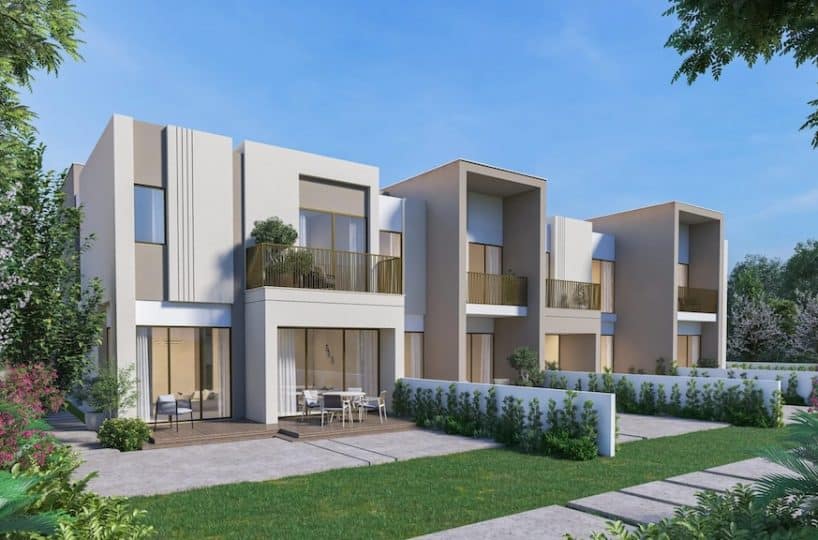
The Core Distinction
When evaluating Dubai real estate for investment, the first fork in the road is almost always the same: off-plan versus ready. Both asset types can deliver strong returns, but they do so through different mechanisms, different timelines, and different risk profiles. The right choice depends as much on the investor's capital position and liquidity requirements as it does on market conditions. This analysis breaks down the key variables across rental yield, capital appreciation, and downside risk.
Rental Yield: Ready Wins on Day One
A ready property generates rental income from the moment the title deed transfers — typically within 30 to 60 days of completing the purchase. In 2026, gross yields on well-located apartments in Dubai range from 5.5% in premium addresses such as Downtown and the Palm to 7.5–8.5% in high-density communities like JVC, Sports City, and Arjan. Net yields after service charges, agent fees, and occasional vacancy typically land 1.5–2% below gross. Off-plan properties, by contrast, produce no yield during the construction period, which in Dubai typically runs 24–48 months. For income-focused investors, this is a material drag — and it must be factored against the capital gain potential when calculating total return.
Capital Appreciation: Off-Plan Has the Edge
The historical data in Dubai strongly favours off-plan for capital appreciation, provided the developer, location, and entry price are right. Buyers who acquired off-plan units in Dubai Hills Estate in 2021 at launch prices saw values increase 55–70% by the time of handover in late 2023. Similar dynamics played out in Emaar Beachfront, Sobha Hartland, and Mohammed Bin Rashid City. The mechanism is straightforward: developers need to pre-sell units to fund construction and obtain bank financing, so they typically price at a discount to projected completion value. As the project progresses and risk diminishes, prices in the secondary market rise — often before the buyer has even paid the full purchase price through their instalment plan.
Risk and Liquidity Considerations
Off-plan carries risks that ready properties do not. Developer insolvency or project delays — though rare among Tier 1 developers registered with RERA — can lock capital for extended periods. The Dubai Land Department's escrow regulations mitigate much of this risk for projects registered after 2008, but buyers should still conduct thorough due diligence on the developer's balance sheet, track record, and completion history. Ready properties, while more expensive upfront, offer immediate liquidity: a well-located unit can typically be re-listed and sold within 90 days. For investors who may need to exit quickly, this flexibility has material value that is difficult to quantify in a simple yield comparison.
Payment Structure as a Return Lever
One frequently underappreciated advantage of off-plan is the leveraged return dynamic created by instalment-based payment plans. A developer offering a 50/50 plan — 50% during construction, 50% on completion — means a buyer who pays AED 1 million during the build period on a AED 2 million property is earning capital appreciation on the full AED 2 million asset. If the property appreciates 20% to AED 2.4 million by completion, the buyer has made AED 400,000 on an initial outlay of AED 1 million — a 40% return on deployed capital, before fees. This leverage effect does not exist in the same form for ready property purchased outright or via mortgage.
The Verdict
For investors with a 3–5 year horizon, access to patient capital, and the ability to absorb a void period, off-plan from a credible developer in a high-demand micro-location is likely to generate the superior total return. For investors who need immediate yield, predictable cash flow, or high liquidity, a well-chosen ready property remains a sound and defensible allocation. The strongest portfolios in Dubai typically blend both: off-plan for appreciation and ready stock for income. Onelink Properties advises on both strategies — reach out to discuss which mix suits your investment objectives.